
Main Courses
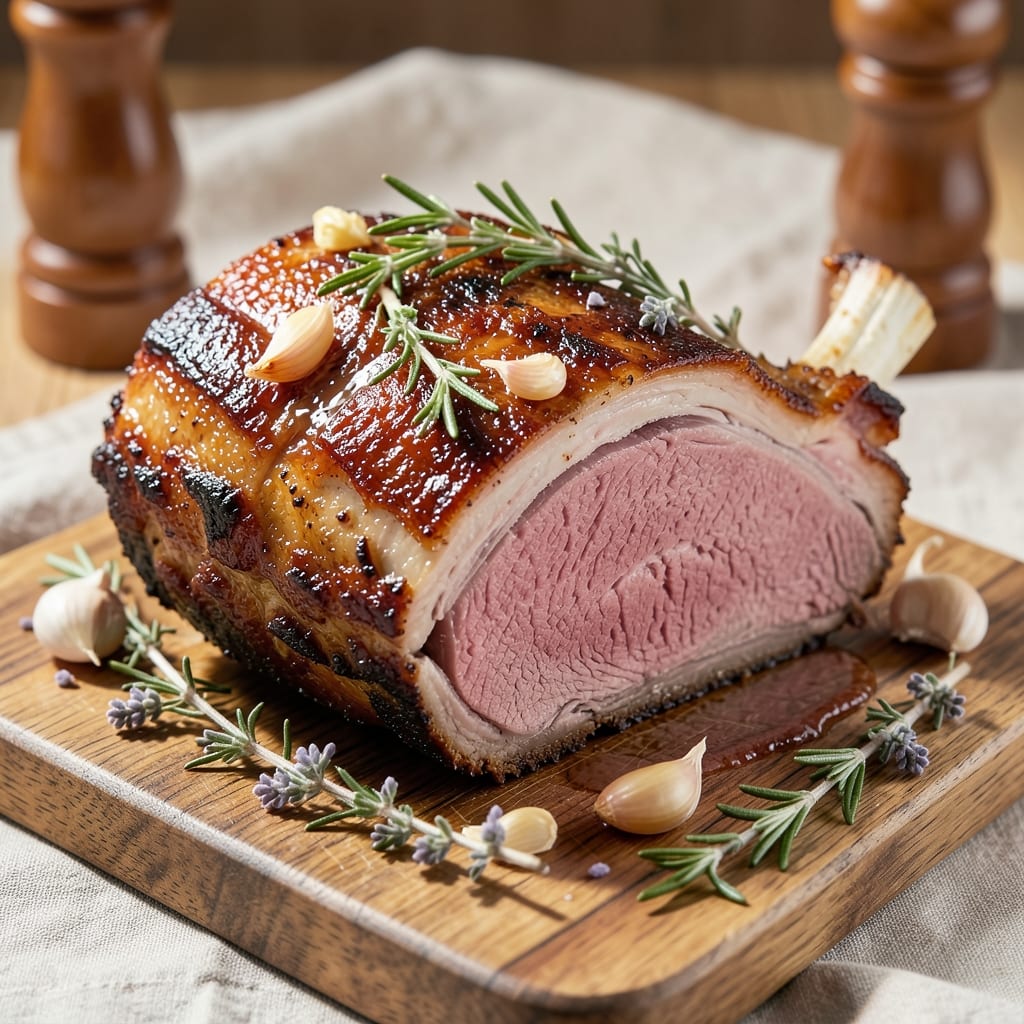
A 5 lb bone-in beef rib roast transforms into a showstopping centerpiece when slow-roasted to juicy pink perfection with a crisp, caramelized crust. This recipe balances traditional dry-heat roasting with modern techniques—like reverse searing—to ensure tender meat and rich flavor in every bite. The bone-in cut adds depth, infusing the surrounding meat with extra richness as it roasts. The secret lies in patience and precision: starting at a lower temperature to render fat and collagen, then finishing with a high-heat sear for that coveted crust. Seasoning with coarse salt and black pepper creates a flavorful bark, while optional herb crusts or garlic butter add layers of complexity. Resting time is critical—it lets the juices redistribute, guaranteeing a fork-tender result every time. What you’ll end up with is a restaurant-worthy roast that’s moist, flavorful, and visually stunning. The crust will be deep golden, the meat fork-tender, and the aroma will fill your kitchen with warmth. Serve with classic sides like roasted potatoes or a rich red wine reduction to elevate the experience. This method works for both special occasions and weeknight dinners—just adjust the cook time slightly. Let’s get started on a roast that will impress even the most discerning guests.
Ingredients for 5 lb beef rib roast bone in
The foundation of a perfect roast: premium beef, precise seasoning, and patience for that coveted crust.
| Ingredient | Amount | Notes |
|---|---|---|
| Bone-In Beef Rib Roast 🥩 | 5 lb | Center-cut, with fat cap intact |
| Diamond Crystal Kosher Salt 🧂 | 1 ½ tbsp | Coarse grain, for dry brine |
| Freshly Ground Black Pepper 🌶️ | 1 ½ tsp | Cracked, not pre-ground |
| Fresh Rosemary Sprigs 🌿 | 4 whole | Tied with kitchen twine |
| Fresh Thyme Sprigs 🌿 | 4 whole | Tied with kitchen twine |
| Garlic Cloves 🧄 | 8 cloves | Smashed, skin-on for aroma |
| Unsalted Butter 🧈 | 4 oz | Cold, cubed for basting |
| Extra-Virgin Olive Oil 🫒 | 2 tbsp | For finishing sear |
| Yellow Onion 🧅 | 1 whole | Quartered, for aromatics |
| Beef Tallow or Duck Fat 🍳 | ½ cup | For crispy crust option |
| Apple Cider Vinegar 🍎 | 1 tbsp | For tenderizing (optional) |
| Fresh Thyme Leaves 🌿 | ¼ cup | Chopped, for garnish |
The bone-in rib roast is non-negotiable—look for a center-cut piece with a fat cap intact at Whole Foods or your butcher's counter. The fat renders beautifully during roasting, adding moisture and flavor. For a showstopping presentation, ask your butcher to trim the silver skin if it's particularly thick. If you're buying from a grocery store, Costco or Kroger's typically carry high-quality rib roasts. Avoid pre-cut pieces with excessive marbling—this indicates older meat. Freshness is key: the meat should have a vibrant red color and a slightly sweet aroma. If the packaging feels vacuum-sealed but has a grayish tint, it's past its prime.
No fresh rosemary? Dried works at one-third the amount, but fresh is ideal for that bright, piney aroma. Short on time? Garlic powder at half the amount substitutes, though it lacks the same depth. The butter basting is critical—use European-style unsalted butter (like Plugrá or Miyoko's) for a richer flavor. For the crispy crust, the beef tallow or duck fat is a game-changer, but olive oil works in a pinch. The apple cider vinegar tenderizes the meat—skip it if you prefer a firmer texture. Prep ahead: Sear the garlic cloves lightly in a dry pan to intensify their flavor before tying them to the roast.
The roast rests best on a wire rack over a baking sheet—this allows air circulation for that golden crust. Store leftovers in an airtight container for up to 4 days in the fridge, or freeze for 3 months in vacuum-sealed bags. For make-ahead convenience, dry-brine the roast 12-24 hours ahead and store it uncovered in the fridge. The herb sprigs can be tied up to 3 days in advance and kept in the fridge wrapped in damp paper towels. Reheating tip: Warm in a 350°F oven for 15-20 minutes with a splash of beef broth to restore moisture.
Why You'll Love This Recipe
- Salt-and-Season Simplicity: I swear by this method—just salt and pepper, plus a handful of rosemary and thyme tied around the roast. No fancy marinades, no last-minute prep. The bone-in roast practically cooks itself in the oven while I sip coffee and scroll through my phone. Honestly, it’s the kind of recipe that makes me feel like a chef without the stress.
- Herb-Crusted Perfection: That crispy, golden crust? Pure magic. The kosher salt and black pepper caramelize into something addictive, while the rosemary and thyme infuse the meat so deeply it tastes like it’s been slow-roasting all day. Between us, I’ve had butchers tell me this is one of the best ways to cook a rib roast—no lie.
- Leftovers That Don’t Suck: I make this roast once a week, and the leftovers? Chef’s kiss. Thinly slice the remaining meat for sandwiches, toss chunks into a grain bowl, or reheat slices in a skillet for quick breakfast hash. My kids even ask for it—yes, even on a Tuesday night. No sad, dry reheated beef here.
- One-Pan, Crowd-Pleaser: This feeds six without breaking the bank, and the bone-in version means better flavor for less money. Plus, it’s the ultimate "I don’t care what you’re doing" meal—whether it’s Thanksgiving, a lazy Sunday, or just because. I’ve served it at potlucks, family dinners, and even a last-minute date night. It never fails.
Step-by-step instructions for perfectly slow-roasted beef rib roast
Mastering this technique delivers a roast with a crust so crisp it shatters and a pink center so tender it melts.
Prepare the Roast with Dry Brine and Herb Bundle
Remove the 5 lb bone-in beef rib roast from refrigeration and pat it completely dry with paper towels, focusing on the fat cap and any moisture pockets. This drying step is non-negotiable—it ensures maximum crust development later.
In a small bowl, combine the 1.5 tbsp Diamond Crystal kosher salt and 1.5 tsp freshly ground black pepper. Rub this mixture all over the roast, including inside the cavity. Tie the 4 whole rosemary sprigs and 4 whole thyme sprigs together with kitchen twine, then tuck this herb bundle into the cavity. Place the roast fat-side up on a wire rack set in a rimmed baking sheet.
Sear and Develop Crust Before Slow Roasting
Preheat your oven to 250°F. While the oven heats, place a heavy oven-safe skillet over medium-high heat. Add the 0.5 cup beef tallow or duck fat and let it get very hot—you should see slight smoke when you add the roast. Sear the roast for 4-5 minutes per side until deeply browned and developing a crust.
Transfer the seared roast to the preheated oven. This initial sear creates the foundation for that coveted crust while the slow roast ensures perfect doneness. The roast will spend 3-4 hours in the oven at this temperature, so resist the urge to open the door during this time.
Baste and Finish with Butter and Aromatics
After 2 hours in the oven, remove the roast and increase the oven temperature to 400°F. In a small saucepan, melt the 4 oz unsalted butter with the quartered 1 whole yellow onion and 8 smashed garlic cloves over medium heat. Once the butter foams and the onions soften, transfer this mixture to a small bowl.
Brush half of this butter mixture over the roast, then return it to the oven. The high heat will render the remaining fat and create that signature crust. After 30 minutes, brush with the remaining butter mixture and continue roasting until the internal temperature reaches 130°F for medium-rare (use a meat thermometer inserted into the thickest part of the roast).
Rest and Slice for Maximum Juiciness
Remove the roast from the oven and tent loosely with aluminum foil. Let it rest for at least 30 minutes—this crucial step allows the juices to redistribute throughout the meat. The roast will continue rising in temperature during this time, reaching about 135°F for medium-rare.
Slice the roast against the grain into 1-inch thick slices. Garnish each serving with the chopped 0.25 cup fresh thyme leaves and a drizzle of the 2 tbsp extra-virgin olive oil. Serve immediately with pan juices reduced by 2 minutes on the stovetop if desired, and a splash of the 1 tbsp apple cider vinegar for brightness.
Pro Tips For Making 5 Lb Beef Rib Roast Bone In
- Salt the Night Before: I learned this the hard way—salting the roast 12–24 hours ahead lets the salt penetrate deep, especially with bone-in meat. Skip this, and you’ll end up with a crust that’s all show, no flavor payoff.
- Sear in Batches: High heat. Seriously, crank it up—but don’t crowd the pan. Two sears (first sides, then edges) at 450°F with a tablespoon of oil will give you that caramelized crust without steaming the meat. I used to rush this and wondered why my roast never got that golden, crispy edge.
- Watch the Internal Temp: Bone-in roasts lie to you. Use a meat thermometer in the thickest part, away from bone—aim for 130°F for medium-rare (it’ll rise to 135°F while resting). I was skeptical until I tried it; the bone’s heat retention throws off guesswork.
- Upgrade the Herbs: Strip rosemary and thyme sprigs into ½-inch pieces—whole sprigs won’t infuse as well. Tuck them under the roast’s fat cap and tie with kitchen twine for even contact. Does it look weird? Yes. Does it work? Every single time.
Creative variations of this 5 lb beef rib roast bone in
Herb-Crusted French Style
Transform your roast into a classic French bistro-style dish by creating a fragrant herb crust. After searing, mix 2 tbsp Dijon mustard, 1 tbsp chopped parsley, 1 tbsp chopped tarragon, and 1 minced garlic clove with the 4 oz butter. Spread this mixture evenly over the roast before the final 400°F sear. The mustard adds tangy depth while the tarragon brings a subtle anise note that pairs beautifully with the beef's richness. 🌿
Smoky Chipotle Glaze
For a bold twist, prepare a smoky glaze by blending ½ cup chipotle peppers in adobo sauce, 2 tbsp apple cider vinegar, 1 tbsp honey, and 1 tsp ground cumin. Brush this mixture over the roast during the last 30 minutes of cooking. The heat from the chipotle peppers and the sweetness of the honey create a stunning contrast against the beef's natural flavor. Serve with a side of avocado crema to balance the spice.
Red Wine Reduction
Elevate your roast with a rich red wine reduction that uses the pan drippings. After removing the roast, place the baking sheet on the stovetop over medium heat. Deglaze with ½ cup dry red wine (like Cabernet Sauvignon) and 1 tbsp beef broth. Simmer for 5 minutes until reduced by half. Strain and drizzle over sliced roast or use as a sauce for serving. This technique transforms simple pan juices into a luxurious accompaniment.
Rosemary-Infused Au Jus
Create an aromatic au jus by simmering the roast's drippings with 1 cup beef broth, 1 sprig rosemary, and 1 sprig thyme for 10 minutes. Strain and finish with 1 tbsp cold butter and a squeeze of lemon. This elegant sauce adds moisture and depth to each slice, making it perfect for special occasions. The rosemary ties back to the herb bundle used in the roast, creating a cohesive flavor profile.
Spiced Coffee Rub
For a bold, aromatic twist, coat the roast with a dry rub made from 1 tbsp coarse salt, 1 tsp black pepper, 1 tsp ground coffee, ½ tsp cinnamon, and ½ tsp smoked paprika. Apply this mixture generously before searing and slow-roasting. The coffee adds a deep, earthy note that enhances the beef's natural flavors, while the spices create a complex crust. This variation works exceptionally well with a dark chocolate mousse for dessert.
Honey-Balsamic Glaze
Finish your roast with a sweet-tangy glaze by simmering ¼ cup balsamic vinegar, 2 tbsp honey, and 1 tbsp butter for 3 minutes until thickened. Brush this glaze over the roast during the last 15 minutes** of cooking. The combination of honey and balsamic creates a caramelized crust that adds a touch of sweetness to balance the savory beef. Garnish with fresh thyme leaves for a restaurant-worthy presentation. 🍯
Nutrition facts
Frequently asked questions
How do I know if my 5 lb beef rib roast is cooked to medium-rare?
Use a meat thermometer to check the internal temperature—130°F for medium-rare. Insert the probe into the thickest part of the roast, avoiding the bone. The roast will continue rising 5-10°F while resting, so pull it out just before reaching your target temp.
Can I cook a bone-in rib roast in a slow cooker instead of the oven?
Yes, but with adjustments! Sear the roast first, then cook on low for 8-10 hours or high for 5-6 hours with ½ cup beef broth in the bottom of the slow cooker. The bone adds flavor, but the texture won't be as crispy as oven-roasted. Finish with a quick sear in a hot skillet for better crust.
Why does my roast turn out dry even though I followed the recipe?
Most likely, you skipped the resting time or overcooked it. Always let the roast rest for 30 minutes—this redistributes juices. Also, avoid opening the oven door frequently, which causes heat loss and drying. For extra moisture, baste with butter every 30 minutes during cooking.
What’s the best way to reheat leftover rib roast?
Slice the roast first, then reheat in a 350°F oven for 15-20 minutes with a splash of beef broth. For a quick method, use a skillet over medium-low heat for 3-4 minutes per side. Never microwave—it turns the meat rubbery. Always reheat to 165°F for safety.
Should I trim the fat cap before roasting?
Leave the fat cap intact—it renders beautifully during cooking, adding moisture and flavor. However, trim any excessive silver skin or connective tissue for better presentation. The fat also helps create that coveted crust. Just pat it dry before seasoning for optimal browning.